Catholic High School of Baltimore Theater AV Case Study
Learn about how the Catholic High School of Baltimore called on Vision Technologies to help them restore reliability, control, and confidence for live performance through AV.
Free Download
Related Case Studies

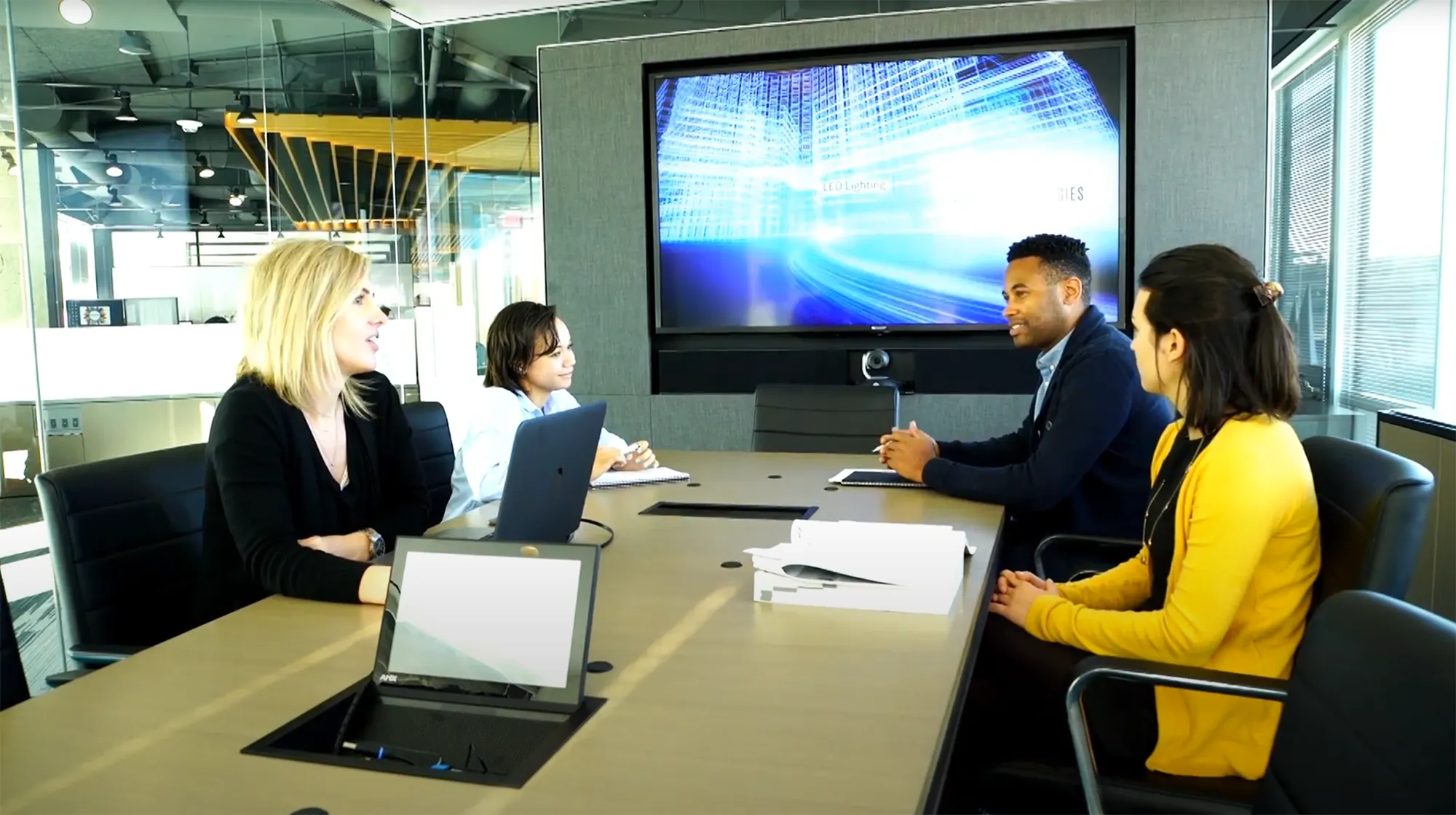

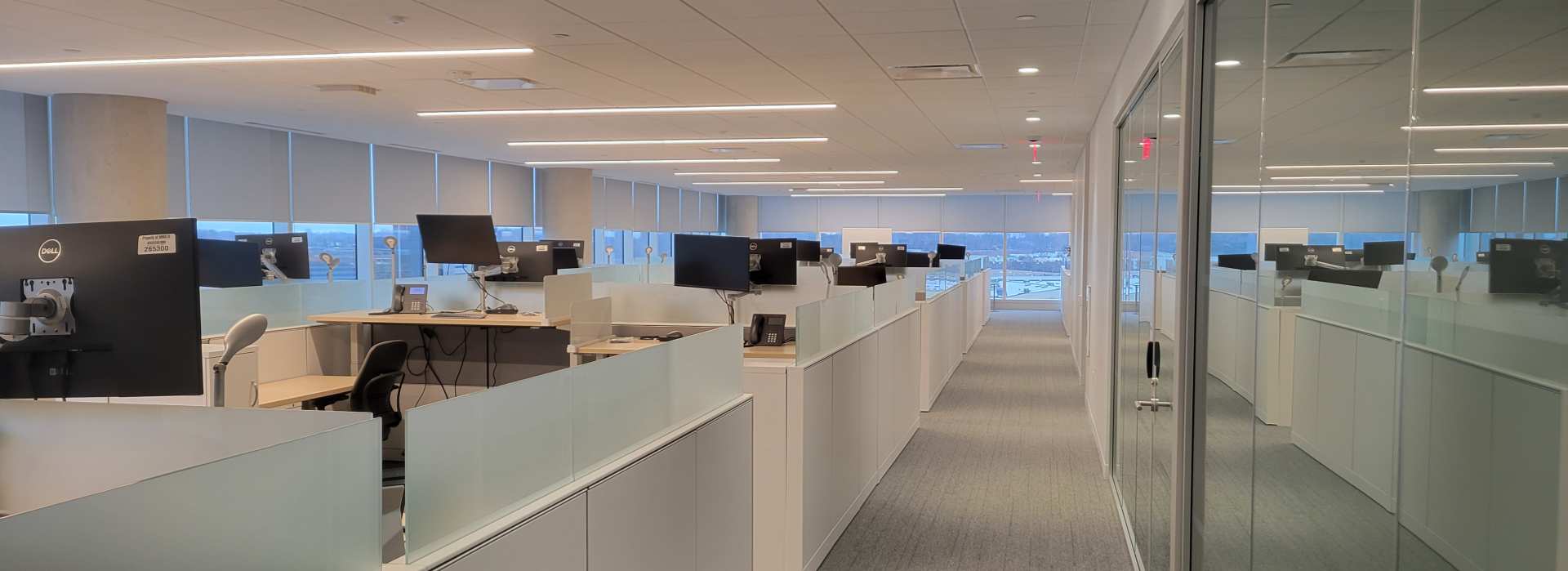
Power over Ethernet (PoE) in Smart Building Design: A Conversation with HITT & Vision Technologies

HITT Contracting Co-President Drew Mucci recently sat down with Vision Technologies’ Vice President of Solution Architecture Jon Fine for a deep dive into Power over Ethernet (PoE) and how HITT is implementing this game-changing technology at one of the largest scales in the country at their new headquarters in Northern Virginia.
PoE is transforming how buildings are designed, built, and operated, creating smarter, more efficient, more connected spaces.
Watch the video released by HITT Contracting:
Related Case Studies
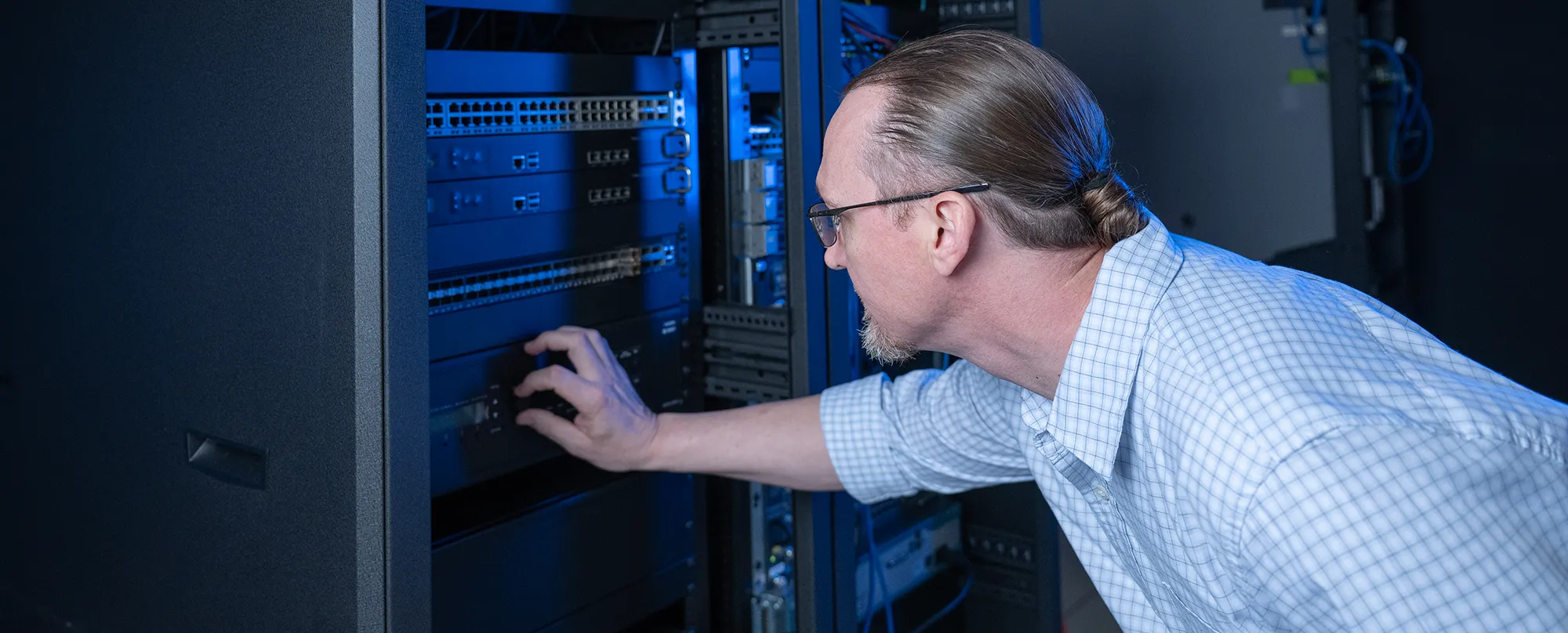
In-Building Wireless Solutions
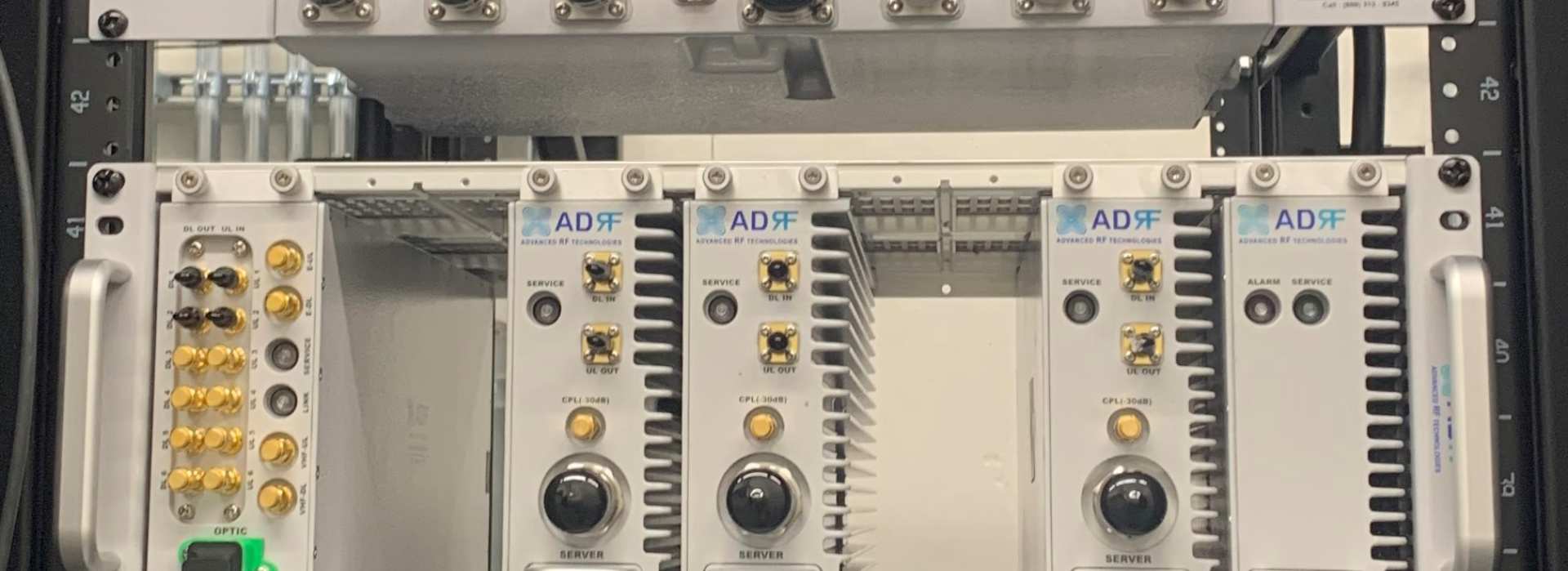
Vision Technologies provides complete neutral-host, in-building wireless coverage by enabling seamless access to all wireless data and voice services within corporate offices, universities, hospitals, airports, manufacturing, and government facilities. Our solutions feature the industry’s leading converged wireless enterprise networks, providing high-quality and reliable coverage for wireless data (Wireless LAN), voice (PCS, LTE, cellular) converged voice and data (VoIP, 2.5G, 3G, 4G, 5G), paging, and two-way radio. Vision Technologies capabilities include survey, design, installation and carrier coordination.
Free Download
Related Resources


Mitigating Supply Chain Challenges in Your Data Center Build
Do you know the key component shortages to look out for in your data center build?
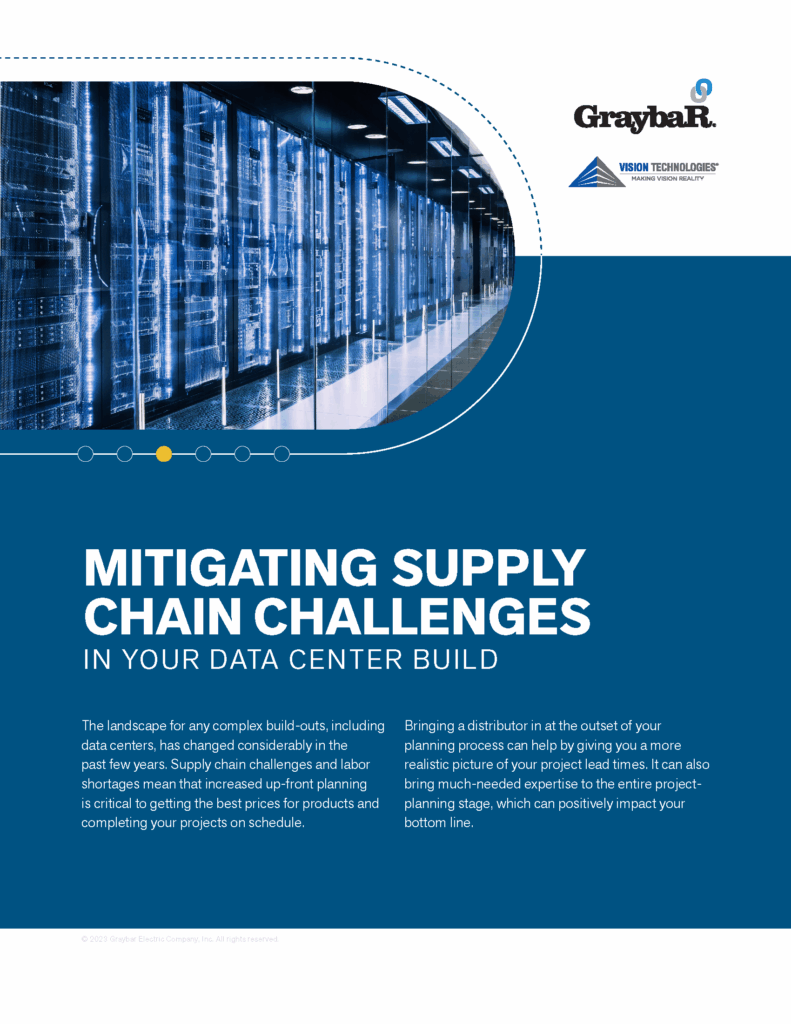
Download this article outlining those shortages and how to best mitigate your supply chain challenges… because the landscape for any complex build-outs, including data centers, has changed considerably in the past few years.
Supply chain challenges and labor shortages mean that increased up-front planning is critical to getting the best prices for products and completing your projects on schedule.
Free Download
Related Resources
The Ultimate Hybrid Learning Classroom Design Guide
The pandemic accelerated several instructional technology trends that had been slowly gaining traction in recent years; namely, a growing number of remote and hybrid faculty and students and the expansion of web-based conferencing platforms. The rapid evolution of digital connectivity created a need for two distinct learning solutions: “Hybrid” and “Hyflex”.
The takeaway? Hybrid learning – with its combination of remote and in-person students who needed to learn effectively – is here to stay. With Instructional Technology, the most important factor to consider is the ways technology will enhance the communication of the course material from the faculty to the students.
Do you know how to design the right classroom? With this classroom technology layout guide, we’ve got you covered!
While system requirements are often unique, there are common learning space types for the education market. We created this design guide in partnership with Crestron to help two types of readers:
- For Designers and Specifiers of educational technology, each design has been crafted to be used as is or can be customized to your system requirements. This guide can help explain to faculty and staff how a type of space will be used.
- For those who are new to technology design, use these examples to quickly understand the different use cases or to request specific space types from architects, consultants, facility managers, or AV integrators.
Download the ultimate guide to classroom design now to help enrich the student and faculty experience!
Free Download
Related Resources
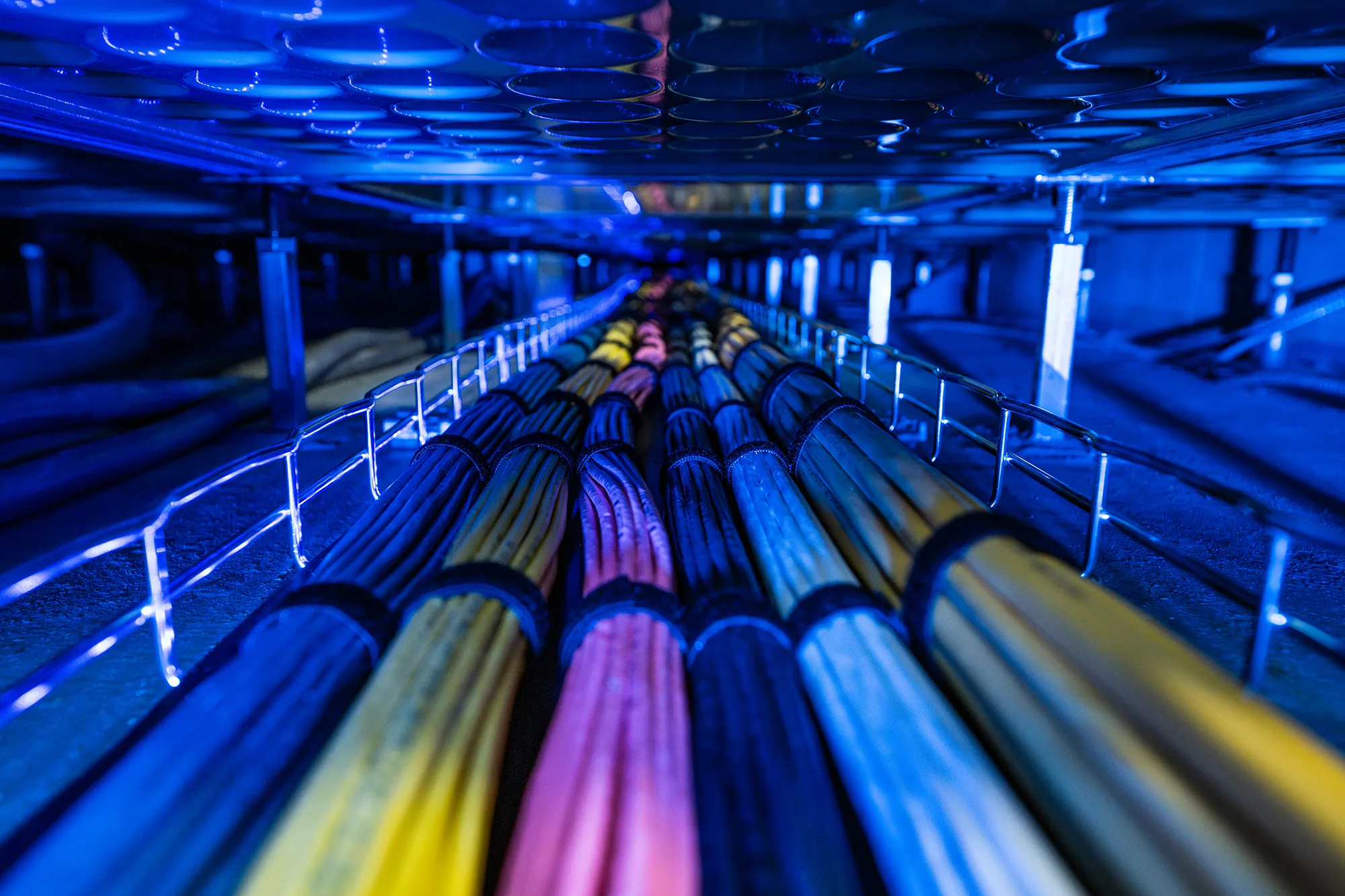
Is Distributed Edge Architecture the Future of Cabling?
Jon Fine on “Let’s Talk Cabling”
In a world where technology and sustainability are increasingly intertwined, next-generation cabling isn’t just about connectivity—it’s about building a better, greener future.
In the latest episode of “Let’s Talk Cabling,” host Chuck Bowser sits down with Jon Fine, the Director of Technical Solutions at Vision Technologies, to discuss distributed edge architecture. In the episode, Jon highlights a groundbreaking commercial project in Virginia using distributed edge architecture to help the building achieve net zero energy consumption.
The benefits of this innovative approach? It uses much less copper wiring, saving money and resources; it gets rid of complex control boxes throughout the building; and it makes future changes or upgrades much easier. This method even allows low-voltage technicians to perform tasks typically handled by licensed electricians and simplifies future modifications by simply adding a patch cable instead of pulling new, lengthy ones.
Learn more about distributed edge architecture and view the full podcast here:
Related Resources
Beyond Cameras & Monitoring: The Power of AI-Driven Security Insights

Is your company struggling to justify the investment in crucial electronic security systems? Too often, essential security upgrades are delayed until after a costly incident occurs. But what if your security infrastructure could do more than just protect against loss? What if it could actively contribute to your business’s efficiency and bottom line, creating a clear return on investment (ROI) that accelerates procurement?
Transform Your Security Cameras into Business Intelligence Powerhouses
The video security camera is now the most prevalent “edge device” in the Internet of Things (IoT). While the US market has typically lagged behind some other markets in Europe and Asia, the adoption of video surveillance is nearly universal. While traditionally used for surveillance and post-incident investigation, the landscape is rapidly changing. Leading security camera manufacturers are embracing the AI revolution, not just for enhanced security applications, but to optimize business operations and unlock a world of possibilities for detection, identification, and notification of events related to manufacturing, logistics, retail analytics, patient care, and more.
Vision Technologies partners with leading camera manufacturers to bring these capabilities to our customers. In the past few years, we have seen specific analytics like character recognition (as in license plate capture), object classification (color of vehicle, clothing, gender, etc.), and weapons detection being deployed more commonly. More recently, however, we’ve been given the opportunity to create custom analytics using features like Intelligent AI to “teach” cameras to recognize items that are meaningful to specific end-users.
Take a whiskey distillery, for example. The distillery can utilize custom AI to identify and count specific types of barrels as they move through the barreling, storage, and shipping processes. How?
- Reference images are uploaded to the cameras and then a trial period is launched to refine the recognition of the defined object.
- These events are then collected, counted, and time referenced to be displayed in reports, charts or graphs.
- Management can then use these reports to track and improve efficiency of their operations, monitor inventory levels, and more.
This type of functionality is a leap forward from the traditional use of the video surveillance system in the past, which was mainly for investigation and documentation of a breach after an incident had already occurred.
Beyond Security: A Strategic Asset for Your Business
No longer just a tool for post-incident investigation, your electronic security system can become a strategic asset, providing real-time operational insights and a measurable ROI. Unlock the full potential of your security infrastructure and drive business value beyond traditional physical security.
Related Resources
Vision Service & Maintenance Agreement 2025
At Vision Technologies, Field Service is about keeping your technology performing at its best, every day, without exception. Our team delivers reliable, responsive, and expert support across the technologies that power your business.
In a world where downtime costs more than money, Vision Technologies Field Service is your assurance that critical systems stay online, secure, and optimized.
In Field Service, uptime, user experience, and operational continuity take center stage. From break-fix remediation and warranty support to structured service agreements with defined SLAs, our team ensures your systems are monitored, maintained, and supported with the urgency and precision your business demands.
Partnering with Vision Technologies means you gain more than just a service provider, you gain a dedicated extension of your operations. We bring certified technicians, proven processes, and a customer-first approach that delivers measurable results. Every service ticket, every escalation, every resolution is tracked and reported, giving you the transparency and confidence that your investment is protected and your business operations are supported.
Free Download
Related Case Studies
InfoComm 2025 Recap: Key Insights on the Future of AV

Vision Technologies sent a passionate, forward-thinking team to InfoComm 2025, energized by the opportunity to explore the cutting edge of Pro AV technology and bring fresh insights back to our organization. Our team arrived ready to learn, connect, and engage with industry leaders, innovators, and solution providers from around the globe. The show floor provided the perfect backdrop for inspiration, collaboration, and discovering the trends shaping the future of audiovisual experiences.
From the InfoComm Show Floor: The 3 Pro AV Trends That Matter
Our team cut through the hype to bring you the highlights. Here’s what you need to know about the real-world applications of:
- Practical AI Integration
- The Convergence of Collaboration & Broadcast
- Smarter, Sustainable Display Technology
Keep reading as our team breaks down each of these trends.
First and foremost, AI integration across Pro AV was everywhere, not as a marketing gimmick, but as embedded, practical intelligence. From camera systems that automatically track and frame speakers to digital signage that adapts content in real time, AI has moved from novelty to baseline functionality. Manufacturers showcased AI-powered audio processors, improved AI tracking camera solutions and adaptive room solutions, thus turning once-manual tasks into automated, streamlined processes. This shift reflects a maturing market where questions are now “how do we integrate AI?”, not “should we?”
Second, the lines between Pro AV, broadcast, and collaboration tech continued to blur. Broadcast-quality cameras and AV-over-IP workflows became staples in corporate, education, and live-event booths. High-end production setups, once confined to TV studios, are now entering town halls and remote learning spaces. Meanwhile, collaboration tools continue to improve and align with new features and updates from the major collaboration platforms like Teams and Zoom.
Third, display technology and sustainability were major highlights. Display and signage vendors presented AI-driven kiosks, see-through LED walls, gesture-based displays and impressive DvLED walls. Power over Ethernet (PoE) technology saw significant growth at InfoComm 2025, with a surge in network-powered devices like speakers, displays, and control systems that simplify installation and reduce infrastructure costs. PoE-driven lighting also gained traction, showcasing energy-efficient, easily managed fixtures that integrate seamlessly with AV and building automation platforms. Tours through sustainable booths featuring recycled steel, low-energy kits, and circular manufacturing emphasized the industry’s growing emphasis on environmental responsibility.
Armed with fresh insights and a firsthand look at the latest innovations, our team is excited to bring these advancements back and translate them into real-world value for our customers. From AI-driven automation to PoE-enabled efficiency and sustainable AV design, we’re eager to show how these technologies can streamline operations, enhance user experiences, and future-proof your spaces. We look forward to sharing these solutions with you and helping you harness what’s next in Pro AV.
Related Resources
Why Use AV Technology in Learning Environments?
How the elements of content, collaboration, and control impact students
When considering how the implementation of new teaching methods will impact the ways AV technology is used in classrooms or other learning environments, it’s helpful to focus on why the technology needs to be used to communicate the material in the first place. First, knowing the why helps to bring the value of using technology into focus. Second, knowing why helps facilitate how teaching committees plan to implement technology into their course curriculum.
There are three aspects (or elements) that illustrate how AV technology ensures the best learning outcomes in today’s educational institutions:
- Content
- Collaboration
- Control
Content: Clear, Consistent Communication
The first element is clearly communicating course content to students — and it’s one of the most fundamental requirements of learning today. Since today’s students have grown accustomed to seeing teaching material displayed on a projector or multiple displays around the room, distributing content within a space using AV technology becomes paramount. That’s the why behind Crestron’s focus on content. Some of the methods for content distribution include using DM® Essentials based on HDBaseT® connectivity over twisted pair wiring with a few improvements. Another method is to use AV-over-IP distribution to send the same audio, video, USB, and control signals on the network, like the DM NVX® technology series. A third way is to send video and audio content wirelessly using Crestron’s AirMedia® wireless presentation and conferencing systems. With any of these platforms, instructors CAN connect their sources easily, communicate their materials to their students anywhere in the classroom, and be confident that the learning environment reflects how students learn today.
Collaboration: Connecting Everyone, Everywhere
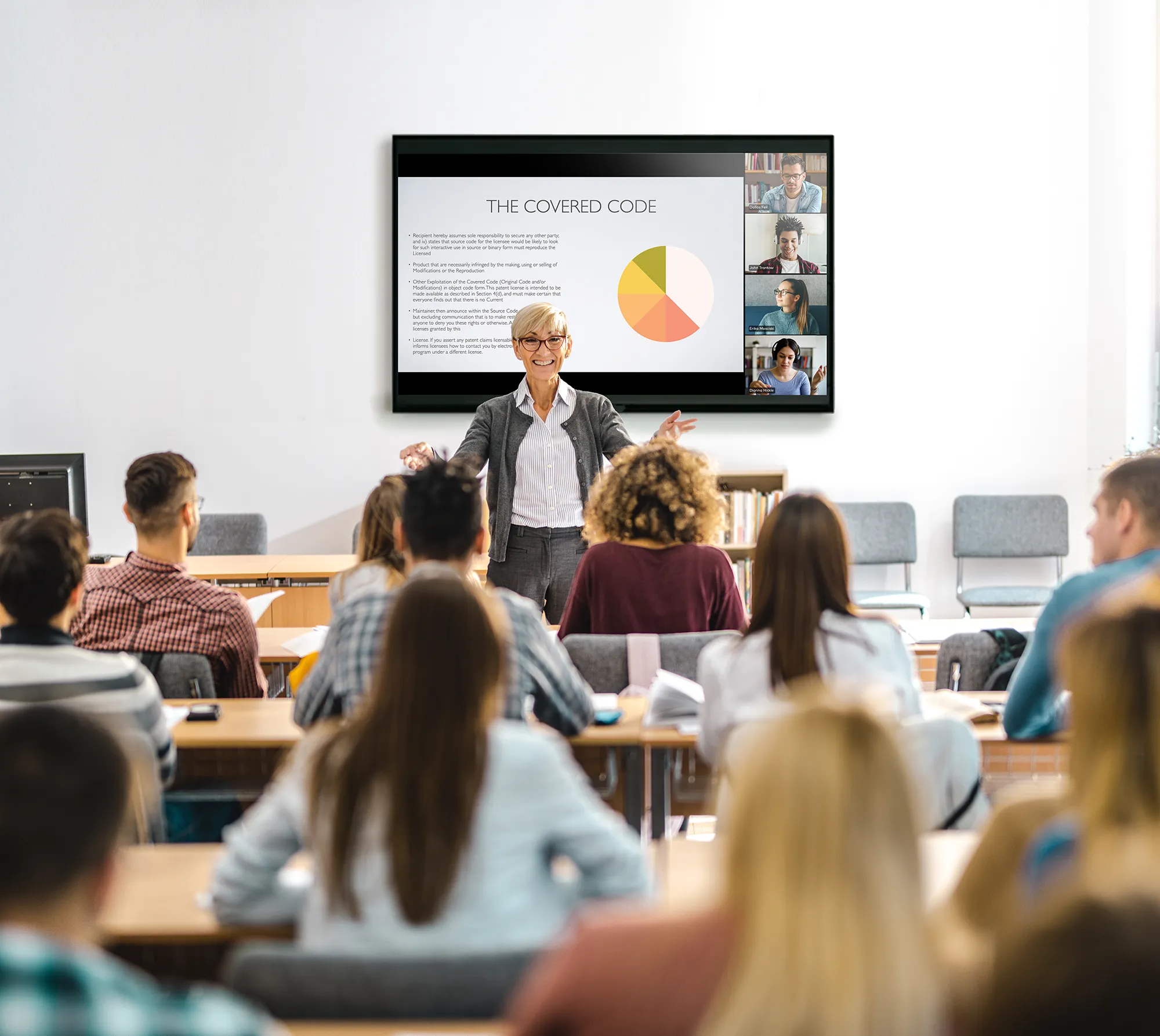
A second aspect of the most modern teaching pedagogies is collaboration. Hybrid and hyflex learning spaces with a mix of in-person and remote students demand AV technology, which follows the natural flow of conversation. Effective learning cannot be accomplished unless everyone is heard and seen clearly — allowing for real collaboration between students in or out of the classroom. There are natural movements that people make when collaborating. For example, the instructor or in-person students don’t always face the same direction. They might switch between addressing or responding to different people in the classroom or remote participants on a monitor.
Crestron’s Automate VX multi-camera speaker tracking solution utilizes artificial intelligence for multi-camera intelligent switching, including Visual AI or Visual AI Direction, to unlock true collaboration for everyone involved. Without human intervention, this technology allows the system to switch to another camera when the person speaking looks in another direction (rather than only showing the side of the speaker’s face). One of the quickest ways to make remote learners feel disconnected is by providing an experience where the instructor and the in-person students never seem to look at them.
The software in the Automate VX works with Crestron’s 1 Beyond cameras by detecting faces and angles of facial features — while not recognizing or identifying specific people. (Crestron devices do not identify people locally or otherwise). It is the only solution of its kind — with multiple optical zoom cameras and third-party microphones — offering automatic switching based on face direction.
Control: Simplifying the Learning Experience
The third element of why using AV technology ensures the best learning outcomes revolves around two teaching or learning styles: Active Learning and Experiential Learning. In these two methodologies, control ties the technology together with the learning. In Active Learning spaces, the instructor might want to send their content to all group tables while he explains the parameters of a group assignment. Then, the small groups would send a local source from one student in the group to a display at or near the group worktable or station. The most successful outcomes of Active Learning happen when one or several students “teach” other small group members the material — thereby helping to contextualize and reinforce recall of the material in their own minds. But control from the lectern or at the group worktables is essential for simplifying and automating the functions of the system.
In Experiential Learning, applications such as medical simulation labs require control of microphones and speakers, routing video signals from the control room into the lab space, control of PTZ cameras to observe what is going on, control of recording devices, etc., all to create a more user-friendly system for non-technical educators. In nursing or EMT training labs, a trainer will want to tell students how to safely move a patient or listen to the questions a student asks in an exam room. In an esports lab, a coach needs to route a player’s video to displays around the space to help other players understand a team’s strategy or what issues to avoid during the next competition. Any of these examples live or die by how the AV technology can be controlled — which is where Crestron 4-Series® control processors excel.
Campus-Wide AV Management
One last example of the importance of control in modern learning is using technology operations software to remotely control, maintain, and support all the content, collaboration, and control technology used in multiple buildings by the whole institution or across the campus. The XiO Cloud® platform puts the power into the hands of the support teams to confirm that all systems are ready to enhance teaching rather than become obstacles to learning. XiO Cloud platform software enables support teams to deploy, manage, monitor, and evolve the technology used in teaching quickly and efficiently. With this tool, the user can view the online or offline status of the technology, check room health, review the status and settings of the technology before the class begins, and get alerts if any issues arise. Further, technology firmware and software updates can be scheduled, usage of spaces can be tracked, and systems can be set to maintenance mode when being serviced. Additionally, historical data, metrics, and dashboards can provide institution-wide insights on how the technology is being integrated into teaching by the faculty members.
AV technology significantly impacts the success of new teaching methods. It plays a key role in both implementing new pedagogical advancements and why there is value in using the technology in all types of learning environments. It ensures faculty can thoughtfully weave together their course materials with the technology required to communicate with their students. When teaching committees are discussing the most impactful ways for students to absorb information, they will want to understand why it is so valuable to focus on content, collaboration, and control.
Related Resources